
Skip to main content / تخطى إلى المحتوى الرئيسي
Etiquette and Sunnahs of Making Du'a
Back to Blog
December 20, 2023

Etiquette and Sunnahs of Making Du'a

Supplication (Du'a) is worship itself, and it is the means of direct communication between the believing servant and his Lord. Du'a is considered one of the greatest acts of worship that bring the servant closer to Allah, and it is the weapon of the believer in facing the difficulties and challenges of life. So how do we pray to Allah Almighty so that He responds to us and accepts our supplication? Du'a is not just words we say, but a spiritual state that connects the servant to their Lord, demonstrating humility and submission to Allah.


Why is Du'a So Important in Islam?


Du'a has immense importance in Islam because it:

- Is worship itself as stated by Prophet Muhammad (PBUH)

- Is the weapon of the believer in facing life's difficulties

- Is the means of direct communication between servant and Lord

- Is evidence of trust in Allah and reliance upon Him

- Is a cause for lifting afflictions and relieving distress

- Is evidence of sincere faith in Allah


The Importance of Du'a in Islam


Du'a is Worship

The Prophet (PBUH) said: "Du'a is worship." This noble hadith demonstrates the importance of du'a in Islam, as it is considered one of the greatest acts of worship that bring the servant closer to Allah. Du'a is the means of direct communication between the servant and his Lord, and it is the weapon of the believer in facing the difficulties of life. Du'a demonstrates the servant's sincerity in faith in Allah and proves their trust in and reliance upon Him.


The Weapon of the Believer

Du'a is the weapon of the believer in facing the difficulties and challenges of life. When a Muslim faces difficulties, they turn to Allah with supplication, seeking help and assistance. Du'a gives the believer strength and patience in facing challenges, and makes them feel close to Allah. The believer who prays to Allah feels tranquility and peace of mind, knowing that Allah is with them and hears their supplication.


Special Times of Acceptance


During Prostration in Prayer

During prostration in prayer, the Muslim is in their closest state to Allah. Prostration is the closest a servant can be to their Lord, and supplication in this state is accepted by Allah's permission. It is recommended to supplicate during prostration, especially in the last prostration of prayer. Prophet Muhammad (PBUH) used to supplicate frequently during prostration, knowing that supplication in this state is accepted.


The Last Hour of the Day Before Sunset

In the last hour of the day before sunset, Allah answers supplications in a special way. This blessed hour is a time of acceptance, where supplications are answered by Allah's permission. It is recommended to supplicate at this time, especially on Friday. This hour is considered among the blessed times of acceptance, where supplications are answered by Allah's permission.


Between the Adhan and Iqamah

Between the Adhan and Iqamah, supplications are answered by Allah's permission. This blessed time is a time of acceptance, where supplications are answered by Allah's permission. It is recommended to supplicate at this time, seeking your needs from Allah. Supplication between the Adhan and Iqamah has special status, as it comes during the time of waiting for prayer, which is a blessed time.


The Last Third of the Night

In the last third of the night, Allah descends to the lowest heaven and answers supplications by His permission. This blessed time is a time of acceptance, where supplications are answered by Allah's permission. It is recommended to stand at this time and supplicate. The last third of the night is considered among the best times for supplication, as it is the time when Allah descends to the lowest heaven.


Friday from Sunrise to Noon

On Friday from sunrise to noon, supplications are answered by Allah's permission. This blessed day is a day of acceptance, where supplications are answered by Allah's permission. It is recommended to supplicate on this day, especially in the last hour before sunset. Friday is considered among the best days in Islam, and it is a day of acceptance and blessings.


Supplication at Al-Aqsa Mosque

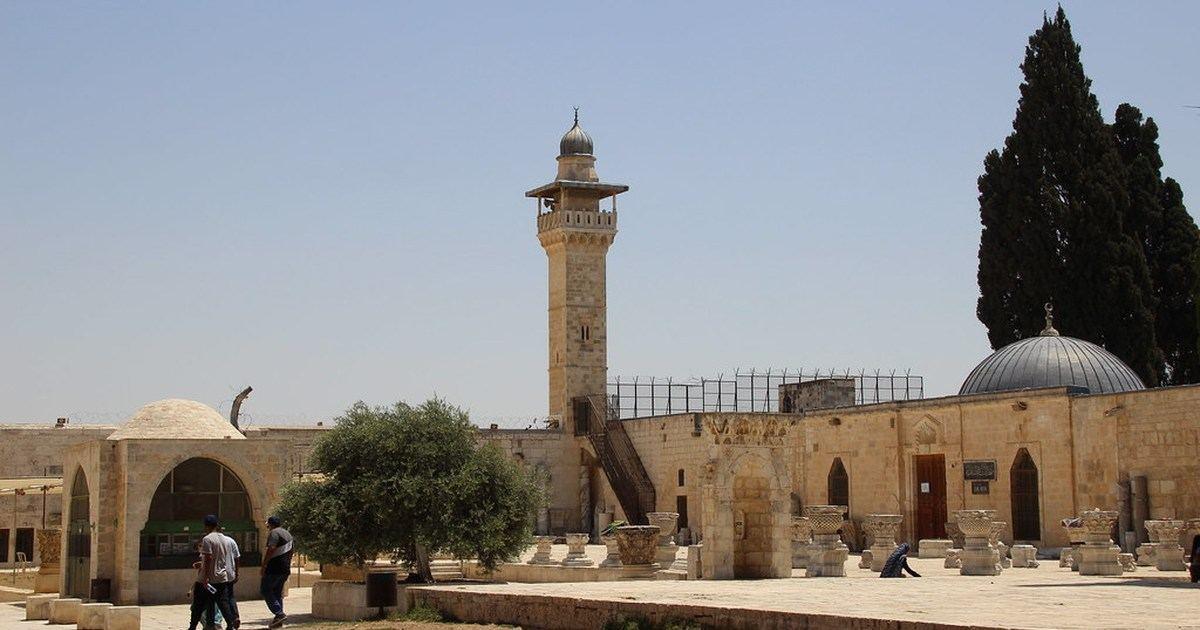
Supplication at Al-Aqsa Mosque has great virtue, as supplications are answered in a special way due to the sanctity of the place and its historical connection to the prophets and messengers. Al-Aqsa Mosque is the third holiest mosque, and from it Prophet Muhammad (PBUH) ascended to the heavens. Supplication at Al-Aqsa Mosque is considered among the accepted supplications, because it comes from a blessed place with special status in Islam.


Conditions for Accepted Du'a


Sincerity to Allah Alone

First: The supplication should be sincere to Allah alone without any partner. Sincerity is a fundamental condition for the acceptance of du'a, as the supplication must be sincere to Allah without any partner. Sincerity demonstrates the servant's truthfulness in their supplication and makes it accepted by Allah's permission. Sincerity means that the supplication is for Allah alone, without calling upon anyone else with Him.


Eating from Good Provisions

Second: The Muslim should eat from the good things Allah has provided. Eating from good provisions is a condition for the acceptance of du'a, as the Muslim must eat from what is lawful and good. Eating from unlawful things prevents the acceptance of du'a, as Allah does not accept the supplication of one who eats unlawful things. Eating from lawful and good things makes the supplication accepted by Allah's permission.


Not Hastening the Response

Third: The believer should not hasten the response or show impatience. Hastening in supplication prevents its acceptance, as the believer must be patient and trust in Allah. Allah answers supplications at the appropriate time, not necessarily at the time the servant desires. Patience in supplication demonstrates the servant's sincerity in their trust in Allah.


Purity

Fourth: The believer should be in a state of purity. Purity is a condition for the acceptance of du'a, as the Muslim must be in a state of purity when supplicating. Purity demonstrates the servant's respect for Allah and makes the supplication accepted by Allah's permission. Purity includes purity of the body, purity of the place, and purity of clothing.


Beginning with Praise and Gratitude

Fifth: Begin with praise and gratitude to Allah, then blessings upon the Prophet. Beginning with praise and gratitude to Allah then blessings upon the Prophet is among the recommended etiquettes of du'a, demonstrating the servant's respect for Allah and the Prophet (PBUH). Beginning with praise and gratitude makes the supplication accepted by Allah's permission.


Recommended Etiquette of Du'a


Raising Hands to the Sky

Among the etiquettes of supplication is raising hands to the sky when supplicating. Raising hands is among the recommended etiquettes of du'a, demonstrating the servant's humility and submission to Allah. The Prophet (PBUH) used to raise his hands when supplicating, demonstrating the importance of this etiquette. Raising hands demonstrates the servant's sincerity in their supplication and makes it accepted by Allah's permission.


Humility and Devotion

Showing humility and devotion to Allah when supplicating is among the recommended etiquettes of du'a. Humility and devotion demonstrate the servant's truthfulness in their supplication and make it accepted by Allah's permission. The Muslim should show humility and devotion to Allah when supplicating. Humility and devotion demonstrate the servant's humility and submission to Allah.


Starting with Oneself, Then Parents, Then All Muslims

Starting with supplication for oneself, then parents, then all Muslims is among the recommended etiquettes of du'a. Starting with oneself then parents then all Muslims demonstrates the servant's concern for themselves, their family, and all Muslims. It is recommended to start with supplication for oneself, then parents, then all Muslims. This etiquette demonstrates the servant's sincerity in their supplication.


Persistence and Repetition

Persistence and repetition in supplication is among the recommended etiquettes of du'a. Persistence in supplication demonstrates the servant's truthfulness in their supplication and makes it accepted by Allah's permission. It is recommended to be persistent and repetitive in supplication, seeking your needs from Allah. Persistence in supplication demonstrates the servant's sincerity in their trust in Allah.


Not Supplicating for Sin or Cutting Family Ties

Not supplicating for sin or cutting family ties is among the recommended etiquettes of du'a. Supplicating for sin or cutting family ties prevents its acceptance, as Allah does not accept the supplication of one who supplicates for sin or cutting family ties. The Muslim should supplicate only for good. Supplication for good makes the supplication accepted by Allah's permission.


Frequently Asked Questions


Why is Requesting a Du'a from Al-Aqsa Important?

Requesting a prayer from Al-Aqsa Mosque connects you with a great Islamic symbol. From this place, Prophet Muhammad (PBUH) ascended to the heavens, and from there began the great ascension journey. Prayers from this place carry special blessings and are accepted by Allah's permission. Muslims who cannot visit Al-Aqsa Mosque can request prayers from it, connecting them to this blessed place.


How Can You Request a Du'a from Al-Aqsa?

We offer a service to record a personal prayer from inside Al-Aqsa Mosque. A Muslim residing in Jerusalem records a special prayer for you on video from within the sacred sanctuary and sends it to you within 48-72 hours. You can request the prayer for any purpose: for health, success, marriage, children, or any other matter you desire.


What Types of Du'a Can I Request?

You can request any type of prayer:

- Du'a for health and healing from diseases

- Du'a for success, livelihood, and blessings

- Du'a for marriage and righteous children

- Du'a for family and children protection

- General du'a for goodness and blessings in life

- Du'a for fulfilling needs and relieving distress


Is This Service Available Worldwide?

Yes, we serve Muslims all around the world. Regardless of your location, you can receive a personal prayer video recorded from Al-Aqsa Mosque. We send videos via email in MP4 format that works on all devices. We serve Muslims in America, Europe, Asia, Africa, and Australia. Wherever you are, you can get a prayer from Al-Aqsa.


How Long Does It Take to Receive the Du'a?

We typically take 48-72 hours to record the prayer and send it to you. Sometimes it may take longer due to security conditions in Jerusalem. However, we make every effort to send the prayer as quickly as possible. We will keep you updated on the status of your request via email.


Useful Links


<a href="/how-it-works" className="text-teal hover:underline">Learn how our service works</a> | <a href="/faq" className="text-teal hover:underline">Read our FAQ</a> | <a href="/authenticity" className="text-teal hover:underline">Learn about video authenticity</a>


Request Your Personal Du'a from Al-Aqsa Now

Get a personal prayer video recorded from inside Al-Aqsa Mosque within 48-72 hours

Request Now