
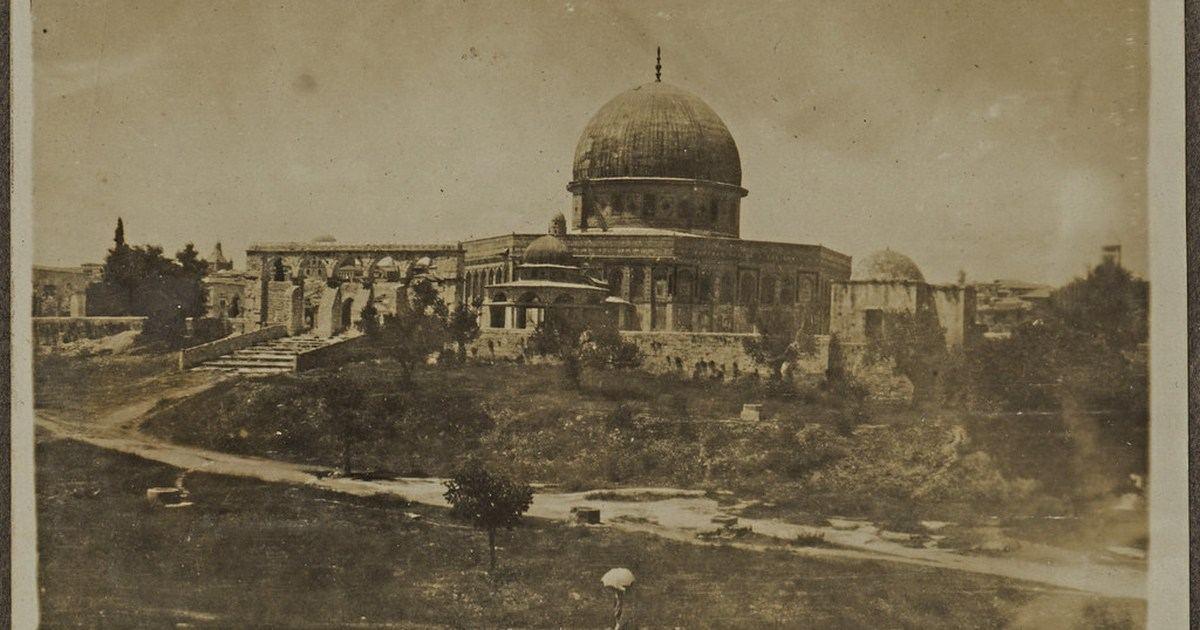
Authentic du'as for anxiety and grief with Arabic text, meaning, hadith numbers and gradings, comforting Quran verses, and a note on combining du'a with professional help.
Anxiety has plenty of modern causes: work pressure, a family to look after, debts that never seem to shrink, news that never stops. When your chest tightens, you want words to say. Plenty of pages list "du'as for worry and sadness," but many mix authentic texts with ones that have no source, and most drop the hadith numbers. This article sticks to what is established: the du'a against worry and grief in Sahih al-Bukhari, the du'a of distress, the du'a of Yunus, and verses that settle the heart. It also adds one practical note that matters: du'a does not replace professional help when anxiety lingers and starts to affect sleep, work or daily life.
Du'a for worry and grief: the main texts
Short answer: Among the most authentic are «اللَّهُمَّ إِنِّي أَعُوذُ بِكَ مِنَ الْهَمِّ وَالْحَزَنِ» (Bukhari 6369), the du'a of distress «لاَ إِلَهَ إِلاَّ اللَّهُ الْعَظِيمُ الْحَلِيمُ» (Bukhari 6346, Muslim 2730), and the du'a of Yunus, «لاَ إِلَهَ إِلاَّ أَنْتَ سُبْحَانَكَ إِنِّي كُنْتُ مِنَ الظَّالِمِينَ» (Tirmidhi 3505). To these you can add Ibn Mas'ud's du'a asking that the Quran be "the spring of my heart" (Ahmad 3712, graded sahih by al-Albani).
"Allahumma inni a'udhu bika minal-hammi wal-hazan..."
Worry, grief, debt
Bukhari 6369
"La ilaha illallahul-Azimul-Halim..."
Distress
Bukhari 6346, Muslim 2730
"La ilaha illa anta subhanaka inni kuntu minaz-zalimin"
Any hardship
Tirmidhi 3505 (sahih, al-Albani)
"Ya Hayyu ya Qayyum, bi-rahmatika astaghith"
When something troubles you
Tirmidhi 3524 (hasan, al-Albani)
"Allahumma rahmataka arju..."
The du'a of the distressed
Abu Dawud 5090 (hasan, al-Albani)
"Allahumma inni abduka bnu abdika..."
Worry and grief
Ahmad 3712 (sahih, al-Albani)
| Du'a | When | Source |
|---|---|---|
| "Allahumma inni a'udhu bika minal-hammi wal-hazan..." | Worry, grief, debt | Bukhari 6369 |
| "La ilaha illallahul-Azimul-Halim..." | Distress | Bukhari 6346, Muslim 2730 |
| "La ilaha illa anta subhanaka inni kuntu minaz-zalimin" | Any hardship | Tirmidhi 3505 (sahih, al-Albani) |
| "Ya Hayyu ya Qayyum, bi-rahmatika astaghith" | When something troubles you | Tirmidhi 3524 (hasan, al-Albani) |
| "Allahumma rahmataka arju..." | The du'a of the distressed | Abu Dawud 5090 (hasan, al-Albani) |
| "Allahumma inni abduka bnu abdika..." | Worry and grief | Ahmad 3712 (sahih, al-Albani) |
Prophetic du'as for worry and distress
Anas, who served the Prophet ﷺ, said he heard him say this often:
«اللَّهُمَّ إِنِّي أَعُوذُ بِكَ مِنَ الْهَمِّ وَالْحَزَنِ، وَالْعَجْزِ وَالْكَسَلِ، وَالْبُخْلِ وَالْجُبْنِ، وَضَلَعِ الدَّيْنِ، وَغَلَبَةِ الرِّجَالِ»
Sahih al-Bukhari 6369 (see also 2893)
Meaning: "O Allah, I seek refuge in You from worry and grief, from helplessness and laziness, from miserliness and cowardice, from the burden of debt and from being overpowered by men."
The order is worth noticing. It moves from what sits in the heart (worry, grief), to what happens in your work (helplessness, laziness), to money (miserliness, debt), to other people. It is a short map of how pressure piles up, and the mention of debt makes it especially close to anyone weighed down by a loan or a financial commitment.
For moments of distress, Ibn Abbas reported that the Prophet ﷺ used to say:
«لاَ إِلَهَ إِلاَّ اللَّهُ الْعَظِيمُ الْحَلِيمُ، لاَ إِلَهَ إِلاَّ اللَّهُ رَبُّ الْعَرْشِ الْعَظِيمِ، لاَ إِلَهَ إِلاَّ اللَّهُ رَبُّ السَّمَوَاتِ وَرَبُّ الأَرْضِ وَرَبُّ الْعَرْشِ الْكَرِيمِ»
Sahih Muslim 2730, similar in Sahih al-Bukhari 6346
Meaning: "There is no god but Allah, the Mighty, the Forbearing. There is no god but Allah, Lord of the Mighty Throne. There is no god but Allah, Lord of the heavens, Lord of the earth, and Lord of the Noble Throne."
It is praise before any request. The one saying it does not even mention the problem. He reminds himself who holds the matter.
Ibn Mas'ud's du'a for worry and grief
Abdullah ibn Mas'ud narrated from the Prophet ﷺ a du'a for anyone struck by worry or grief. It opens «اللَّهُمَّ إِنِّي عَبْدُكَ، ابْنُ عَبْدِكَ، ابْنُ أَمَتِكَ، نَاصِيَتِي بِيَدِكَ، مَاضٍ فِيَّ حُكْمُكَ، عَدْلٌ فِيَّ قَضَاؤُكَ» ("O Allah, I am Your servant, son of Your servant, son of Your maidservant. My forelock is in Your hand, Your command over me is carried out, Your decree over me is just") and ends by asking Allah «أَنْ تَجْعَلَ الْقُرْآنَ رَبِيعَ قَلْبِي، وَنُورَ صَدْرِي، وَجَلاَءَ حُزْنِي، وَذَهَابَ هَمِّي», meaning that He makes the Quran the spring of my heart, the light of my chest, the removal of my sorrow and the departure of my worry. It is reported by Ahmad (3712) and Ibn Hibban (972) and graded sahih by al-Albani (al-Silsilah al-Sahihah 199). It is a long du'a, so reading it from a page while you learn it is fine. What counts is being present while you say it.
The du'a of Dhun-Nun (Yunus)
The Prophet ﷺ said: "The du'a of Dhun-Nun when he called out in the belly of the whale: 'There is no god but You, glory be to You, I was among the wrongdoers.' No Muslim ever calls on his Lord with it for anything except that Allah answers him" (Sunan al-Tirmidhi 3505, graded sahih by al-Albani). Its source is the Quran: «فَنَادَىٰ فِي الظُّلُمَاتِ أَن لَّا إِلَٰهَ إِلَّا أَنتَ سُبْحَانَكَ إِنِّي كُنتُ مِنَ الظَّالِمِينَ» (21:87). Note the wording "answers him." It does not say that the exact thing asked for will happen in the exact way imagined.
Short du'as for tight moments
«يَا حَيُّ يَا قَيُّومُ بِرَحْمَتِكَ أَسْتَغِيثُ»: "O Ever-Living, O Sustainer, in Your mercy I seek relief." The Prophet ﷺ said it when something troubled him (Sunan al-Tirmidhi 3524, hasan according to al-Albani).
«اللَّهُمَّ رَحْمَتَكَ أَرْجُو فَلاَ تَكِلْنِي إِلَى نَفْسِي طَرْفَةَ عَيْنٍ وَأَصْلِحْ لِي شَأْنِي كُلَّهُ لاَ إِلَهَ إِلاَّ أَنْتَ»: "O Allah, it is Your mercy I hope for, so do not leave me to myself even for the blink of an eye, and set right all my affairs. There is no god but You." The Prophet ﷺ called these "the words of the distressed" (Sunan Abi Dawud 5090, hasan according to al-Albani).
Verses that steady the heart
The Quran does not promise that worry will vanish at once, but it gives the heart something to lean on:
"Those who believe, and whose hearts find comfort in the remembrance of Allah. Surely, in the remembrance of Allah do hearts find comfort" (13:28).
"So, surely with hardship comes ease. Surely with hardship comes ease" (94:5-6).
Yaqub said: "I only complain of my suffering and my grief to Allah" (12:86). Complaining to Allah is not weakness.
"Allah is sufficient for us, and He is the best disposer of affairs" (3:173).
"Do not grieve; indeed Allah is with us" (9:40).
"Seek help through patience and prayer" (2:153).
Comfort in remembrance does not mean the pain is absent. Yaqub's "eyes turned white from grief" (12:84), and he still took his complaint to Allah alone. Sadness is allowed. The texts only point it in a direction.
Pain that is not wasted
In the hadith of Suhayb, the Prophet ﷺ said: "How wonderful is the affair of the believer, for all of it is good... if something good happens to him he is grateful and that is good for him, and if hardship strikes him he is patient and that is good for him" (Sahih Muslim 2999). He also said that no fatigue, illness, worry, grief, harm or distress befalls a Muslim, not even the prick of a thorn, except that Allah expiates some of his sins through it (Sahih al-Bukhari 5641). This is not a call to carry more than you can bear in silence. It says the pain is counted.
Du'a alongside professional help
Ordinary worry often eases with dhikr, prayer and a conversation with someone you trust. But if the feeling lasts for weeks, disrupts your sleep, appetite or work, or if thoughts of harming yourself appear, see a doctor or a mental health professional. If you are having thoughts of self-harm, contact your local emergency services right away. None of this conflicts with faith. When asked whether they should seek treatment, the Prophet ﷺ said: "Seek treatment" (Sunan Abi Dawud 3855, graded sahih by al-Albani). Du'a and treatment are two roads that meet.
Some simple daily habits come from the texts themselves: praying on time, seeking forgiveness, and remembering Allah often. For the last of these, see Sayyid al-Istighfar and du'as for forgiveness, and for how to ask well, du'a etiquette.
Making du'a for someone else who is struggling
Sometimes the person in distress is a relative, and all you can do is pray for them. The Prophet ﷺ said that a Muslim's du'a for his brother in his absence is answered (Sahih Muslim 2733). If you would like a du'a said by name at Al-Aqsa Mosque for someone you love, you can choose a package here. A personal du'a is made at the mosque in Jerusalem and a video is sent to your email, usually within 48 to 72 hours. It accompanies your own du'a and the treatment they need. It does not replace either, and it promises no result, because the matter is with Allah. We know of no authentic text that makes a du'a at Al-Aqsa answered faster.
Sources
Quran: Al-Baqarah 2:153; Al Imran 3:173; At-Tawbah 9:40; Yusuf 12:84, 12:86; Ar-Ra'd 13:28; Al-Anbiya 21:87; Ash-Sharh 94:5-6.
Sahih al-Bukhari: 2893, 5641, 6346, 6369.
Sahih Muslim: 2730, 2733, 2999.
Sunan Abi Dawud: 3855 (sahih, al-Albani), 5090 (hasan, al-Albani).
Jami' al-Tirmidhi: 3505 (sahih, al-Albani), 3524 (hasan, al-Albani).
Musnad Ahmad 3712; Sahih Ibn Hibban 972; al-Silsilah al-Sahihah 199.
Each hadith can be checked by number on sunnah.com and at Dorar al-Saniyyah. Sources reviewed 23 October 2026.
Frequently asked questions
What is the most authentic du'a for worry and grief?
«اللَّهُمَّ إِنِّي أَعُوذُ بِكَ مِنَ الْهَمِّ وَالْحَزَنِ، وَالْعَجْزِ وَالْكَسَلِ...» in Sahih al-Bukhari (6369), and the du'a of distress in Bukhari (6346) and Muslim (2730).
Is the du'a "Allahumma inni abduka bnu abdika" authentic?
Yes. It is reported by Ahmad (3712) and Ibn Hibban (972) from Ibn Mas'ud and graded sahih by al-Albani in al-Silsilah al-Sahihah (199).
What is the du'a of distress?
"La ilaha illallahul-Azimul-Halim, la ilaha illallahu Rabbul-arshil-azim, la ilaha illallahu Rabbus-samawati wa Rabbul-ardi wa Rabbul-arshil-karim" (Bukhari 6346, Muslim 2730).
Can reciting du'as replace seeing a therapist or doctor?
No. Du'a is worship and a real source of comfort, but anxiety that persists or disrupts daily life calls for professional care. The Prophet ﷺ told people to seek treatment (Abu Dawud 3855, sahih according to al-Albani).
Which Quran verses are recited in times of distress?
Among them are 13:28, 94:5-6, 3:173 and 2:153, which speak of calm, patience and trust in Allah.
Can I make du'a for someone else's worry to be lifted?
Yes. A Muslim's du'a for his brother in his absence is answered according to the hadith (Muslim 2733). The outcome is with Allah.
Want a personal du'a said by name at Al-Aqsa Mosque?
The du'a is made by name at Al-Aqsa Mosque, and the video usually arrives by email within 48-72 hours.
Request a du'a