
Du'as for studying and exams with Arabic text, meaning and gradings: Ta-Ha 114, Musa's du'a for an open chest, the du'a for hard questions, and circulating du'as with no chain.
In the week before exams, pages fill up with "tried and tested" du'as for memorising, understanding fast and recalling answers, most of them with no verse or hadith behind them. Go looking for the source of a du'a for exams and you find a small number of established texts that are enough and more: a verse asking for increase in knowledge, four verses from the du'a of Musa, a Prophetic du'a for making difficult things easy, and du'as for worry and forgetting. This article is about study and exams. For success in a job or a business, see du'a for success in work and life, or dua for job interview for the interview itself.
Du'a for exams at a glance
Short answer: Before studying, a student can say «وَقُل رَّبِّ زِدْنِي عِلْمًا» (Quran 20:114). Before the exam, Musa's du'a «رَبِّ اشْرَحْ لِي صَدْرِي» (20:25-28). At a hard question, the Prophet's words «اللَّهُمَّ لاَ سَهْلَ إِلاَّ مَا جَعَلْتَهُ سَهْلاً» (Ibn Hibban 974, graded sahih by al-Albani). All of it goes with studying and honesty, because the texts guarantee no particular grade.
Before studying
«وَقُل رَّبِّ زِدْنِي عِلْمًا»
Quran 20:114
Before entering the hall
«رَبِّ اشْرَحْ لِي صَدْرِي وَيَسِّرْ لِي أَمْرِي»
Quran 20:25-26
A hard question
«اللَّهُمَّ لاَ سَهْلَ إِلاَّ مَا جَعَلْتَهُ سَهْلاً»
Ibn Hibban 974 (sahih, al-Albani)
Forgetting or a mistake
«رَبَّنَا لَا تُؤَاخِذْنَا إِن نَّسِينَا أَوْ أَخْطَأْنَا»
Quran 2:286
Beneficial knowledge
"Ask Allah for beneficial knowledge"
Ibn Majah 3843 (hasan, al-Albani)
Nerves
«أَعُوذُ بِكَ مِنَ الْهَمِّ وَالْحَزَنِ»
Bukhari 6369
After the result
«قَدَرُ اللَّهِ وَمَا شَاءَ فَعَلَ»
Muslim 2664
| Situation | Text | Source |
|---|---|---|
| Before studying | «وَقُل رَّبِّ زِدْنِي عِلْمًا» | Quran 20:114 |
| Before entering the hall | «رَبِّ اشْرَحْ لِي صَدْرِي وَيَسِّرْ لِي أَمْرِي» | Quran 20:25-26 |
| A hard question | «اللَّهُمَّ لاَ سَهْلَ إِلاَّ مَا جَعَلْتَهُ سَهْلاً» | Ibn Hibban 974 (sahih, al-Albani) |
| Forgetting or a mistake | «رَبَّنَا لَا تُؤَاخِذْنَا إِن نَّسِينَا أَوْ أَخْطَأْنَا» | Quran 2:286 |
| Beneficial knowledge | "Ask Allah for beneficial knowledge" | Ibn Majah 3843 (hasan, al-Albani) |
| Nerves | «أَعُوذُ بِكَ مِنَ الْهَمِّ وَالْحَزَنِ» | Bukhari 6369 |
| After the result | «قَدَرُ اللَّهِ وَمَا شَاءَ فَعَلَ» | Muslim 2664 |
Before studying: asking for increase in knowledge
The verse in which the Prophet ﷺ was told specifically to ask for more knowledge is:
«فَتَعَالَى اللَّهُ الْمَلِكُ الْحَقُّ وَلَا تَعْجَلْ بِالْقُرْآنِ مِن قَبْلِ أَن يُقْضَىٰ إِلَيْكَ وَحْيُهُ وَقُل رَّبِّ زِدْنِي عِلْمًا»
"So exalted is Allah, the Sovereign, the Truth. And do not hasten with the Quran before its revelation is completed to you, and say: My Lord, increase me in knowledge." Quran 20:114
It follows a warning against haste, which suits anyone jumping between notes the night before an exam. Knowledge is sought by taking the means, and the Prophet ﷺ said: "Whoever travels a path seeking knowledge, Allah makes easy for him a path to Paradise" (Sahih Muslim 2699, from Abu Hurayrah).
He also taught: "Ask Allah for beneficial knowledge, and seek refuge in Allah from knowledge that does not benefit" (Sunan Ibn Majah 3843, hasan according to al-Albani, from Jabir). Muslim (2722) has his du'a «اللَّهُمَّ إِنِّي أَعُوذُ بِكَ مِنْ عِلْمٍ لاَ يَنْفَعُ» from Zayd ibn Arqam. The point is that the purpose of learning is bigger than the grade.
You will also see «اللَّهُمَّ انْفَعْنِي بِمَا عَلَّمْتَنِي وَعَلِّمْنِي مَا يَنْفَعُنِي وَزِدْنِي عِلْمًا» (Ibn Majah 251). Al-Albani graded it sahih while other editors weakened it. Given that disagreement we do not put it ahead of the others. A student can ask for the same meaning in their own words.
Before the hall: the du'a of Musa
When Musa was sent to face Pharaoh, he said:
«رَبِّ اشْرَحْ لِي صَدْرِي * وَيَسِّرْ لِي أَمْرِي * وَاحْلُلْ عُقْدَةً مِّن لِّسَانِي * يَفْقَهُوا قَوْلِي»
"My Lord, expand for me my chest, ease my task for me, and untie the knot from my tongue so they may understand my speech." Quran 20:25-28
The situation called for an open chest, a clear tongue and an eased task, which are also what an exam hall asks of you: nerves that tie up your words, and understanding you need to get across to someone else. Applying it to exams uses its general meaning, because no hadith assigns it to exams. Any student, male or female, can say it as it is.
"Allahumma la sahla illa ma ja'altahu sahla"
This is the du'a most often attached to exams, and it does have an established source. Anas reported that the Prophet ﷺ used to say:
«اللَّهُمَّ لاَ سَهْلَ إِلاَّ مَا جَعَلْتَهُ سَهْلاً، وَأَنْتَ تَجْعَلُ الْحَزْنَ إِذَا شِئْتَ سَهْلاً»
"O Allah, nothing is easy except what You make easy, and You make the difficult easy if You will." Sahih Ibn Hibban 974, graded sahih by al-Albani in al-Silsilah al-Sahihah 2886
"Al-hazn" is rough, rugged ground, so the meaning is that the hard becomes easy by Allah's will. The hadith is not in the six books, so check it in Ibn Hibban and in al-Silsilah al-Sahihah. It fits the moment when you meet a question you do not know: say it silently, then go back to the question.
Forgetting and mistakes
The student's biggest fear is going blank during the exam. The established Quranic text on forgetting is from the end of Surah al-Baqarah:
«رَبَّنَا لَا تُؤَاخِذْنَا إِن نَّسِينَا أَوْ أَخْطَأْنَا»
"Our Lord, do not impose blame upon us if we have forgotten or erred." Quran 2:286
It is a du'a about being held to account for forgetting. It is not a request to recall a specific fact. Phrases like "O Allah, remind me of what I have forgotten" and "O Allah, illuminate my mind" circulate in various forms attributed to the Prophet ﷺ, and we found no established chain for them in that wording. Asking for the same meaning in your own words is fine, but do not say it is a hadith. In practice, remembering takes regular revision more than any particular phrase.
Honesty comes before du'a
Asking for success does not go together with cheating. The Prophet ﷺ said: "Whoever cheats us is not one of us" (Sahih Muslim 101, from Abu Hurayrah). The hadith is general and plainly includes cheating in an exam: taking a mark you did not earn. If you want your du'a answered, start by protecting its door. Du'a etiquette covers what affects acceptance.
Worry before and after the result
There is worry before the exam and waiting after it. The Prophet ﷺ used to say: «اللَّهُمَّ إِنِّي أَعُوذُ بِكَ مِنَ الْهَمِّ وَالْحَزَنِ، وَالْعَجْزِ وَالْكَسَلِ» (Sahih al-Bukhari 6369, from Anas). And in the Quran: "So, surely with hardship comes ease. Surely with hardship comes ease" (94:5-6). More in du'a for anxiety and worry.
When the result comes, the texts divide the situation in two. For the one who succeeded: "How wonderful is the affair of the believer... if good times come he is grateful and that is good for him" (Sahih Muslim 2999). For the one who did not get what they wanted, the Prophet ﷺ said: "Do not say 'if only I had done this, it would have been such and such,' but say: 'Allah's decree, and He does what He wills'" (Sahih Muslim 2664). That does not stop you from reviewing your mistakes, since the same hadith begins with "strive for what benefits you."
A du'a in your own words
This wording is ours, not a hadith. It suits any student:
"O Allah, I ask You for beneficial knowledge, understanding and steadiness. Expand my chest and ease my task. Do not hold me to account if I forget or make a mistake, and if what is in front of me is hard, make it easy by Your favour, and make me content with what You decree."
A short routine before an exam
The night before: enough sleep after a light review, and «رَّبِّ زِدْنِي عِلْمًا».
On the way: Musa's du'a, Ta-Ha 25-28.
At the paper: bismillah, then "la sahla illa ma ja'altahu sahla" at the first hard question.
After handing in: the du'as for worry, and no replaying every answer.
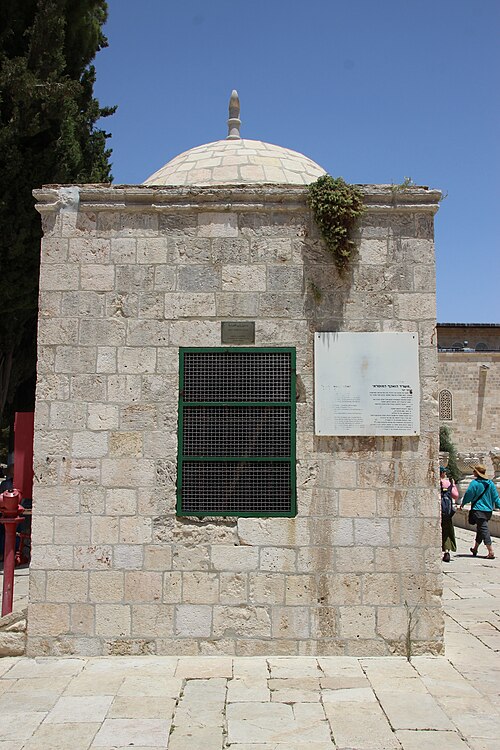
When a du'a from Al-Aqsa adds something
Parents pray for their children, siblings for each other, and a person may pray for another in their absence (Sahih Muslim 2733). If you would like a du'a said by name for a student at Al-Aqsa Mosque in Jerusalem, you can see how it works for exams or go straight to the packages. A video of the du'a is sent to your email, usually within 48 to 72 hours. It adds to the student's own study and du'a and does not replace them, and it makes no promise about a grade.
Sources
Quran: Ta-Ha 20:25-28, 20:114; Al-Baqarah 2:286; Ash-Sharh 94:5-6.
Sahih al-Bukhari: 6369.
Sahih Muslim: 101, 2664, 2699, 2722, 2733, 2999.
Sunan Ibn Majah: 251 (graded sahih by al-Albani, disputed by other editors), 3843 (hasan, al-Albani).
Sahih Ibn Hibban: 974 (sahih, al-Albani, al-Silsilah al-Sahihah 2886).
Each hadith can be checked by number on sunnah.com and at Dorar al-Saniyyah. Sources reviewed 23 October 2026.
Frequently asked questions
What is the most authentic du'a for exams?
We know of no Prophetic du'a devoted to exams. The strongest that fall within the topic are «رَّبِّ زِدْنِي عِلْمًا» (Quran 20:114), Musa's du'a (20:25-28), and «اللَّهُمَّ لاَ سَهْلَ إِلاَّ مَا جَعَلْتَهُ سَهْلاً» (Ibn Hibban 974, sahih according to al-Albani).
Is "Allahumma la sahla illa ma ja'altahu sahla" an authentic hadith?
Yes. It is narrated by Ibn Hibban (974) from Anas and graded sahih by al-Albani in al-Silsilah al-Sahihah (2886). It is not in the two Sahihs.
Is there a du'a for memorising and not forgetting in an exam?
What is established about forgetting is Quran 2:286, «رَبَّنَا لَا تُؤَاخِذْنَا إِن نَّسِينَا أَوْ أَخْطَأْنَا». Phrases attributed to the Prophet ﷺ about "remembering what I forgot" have no established chain that we could find.
Is du'a enough without studying?
No. The hadith commands both: "Strive for what benefits you and seek help from Allah" (Muslim 2664), and seeking knowledge is a path you walk (Muslim 2699).
How is this different from du'a for success at work?
This one is about study, exams and knowledge. The other is about work, career decisions and livelihood: [du'a for success in work and life](/blog/dua-for-success).
Want a personal du'a for a student said at Al-Aqsa Mosque?
The du'a is made by name at Al-Aqsa Mosque, and the video usually arrives by email within 48-72 hours.
Request a du'a