
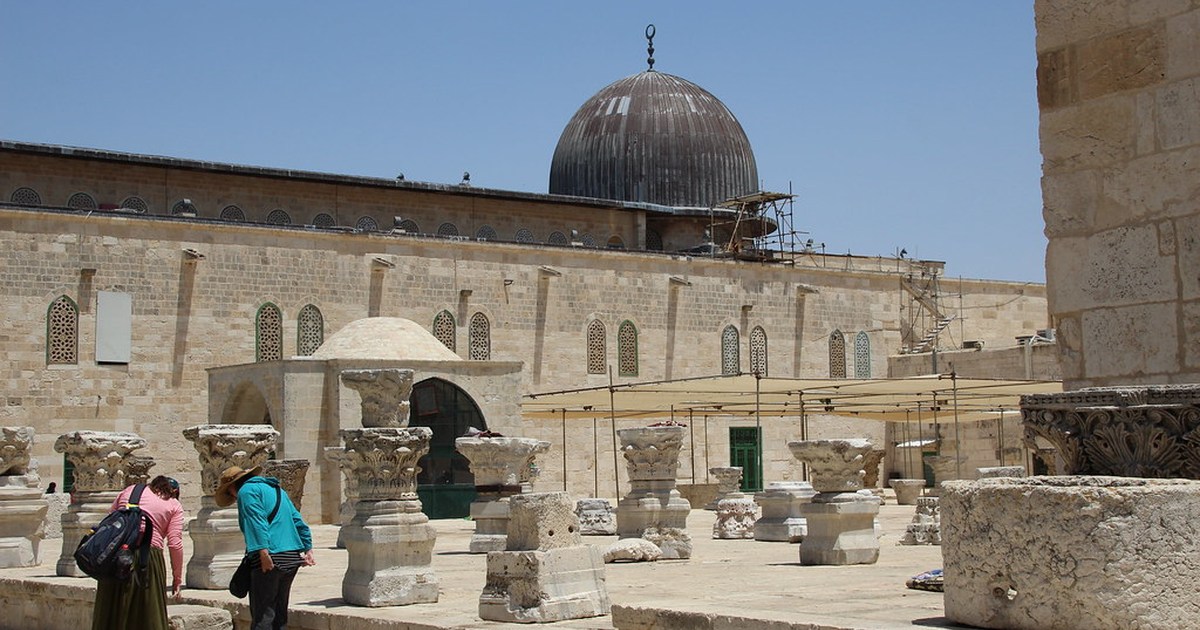
Du'as for success in your job, business and decisions, with Arabic text, meaning, hadith numbers and gradings, Istikhara for career choices, and why du'a goes with effort.
The word "success" does not appear in the du'as of the Quran in the sense we use it today. What does appear is tawfiq (being enabled to do right), rushd (guidance) and taysir (ease). A line from the story of Shu'ayb sums up everything below: "My success is only through Allah. Upon Him I have relied, and to Him I turn" (11:88). That is the foundation of a du'a for success at work or in life: a request for tawfiq, joined to real effort, with no guarantee of a particular outcome. This article gathers what is established for someone starting a job, launching a business or facing a career decision. Study and exams have their own article: du'a for exam success. For the interview itself, see dua for job interview.
Du'a for success at work: the short version
Short answer: Three things are established for asking Allah for success in your affairs: Quran verses (11:88, 18:10, 17:80), Istikhara when you are torn over a decision (Bukhari 1162 and 6382), and Prophetic du'as that ask for a sound religion and livelihood and seek refuge from helplessness and laziness (Muslim 2720, Bukhari 6369). All of it goes together with effort, as in the hadith "Strive for what benefits you and seek help from Allah" (Muslim 2664).
Tawfiq with reliance on Allah
«وَمَا تَوْفِيقِي إِلَّا بِاللَّهِ عَلَيْهِ تَوَكَّلْتُ»
Quran 11:88
Guidance in a new venture
«وَهَيِّئْ لَنَا مِنْ أَمْرِنَا رَشَدًا»
Quran 18:10
Entering and leaving a job well
«رَبِّ أَدْخِلْنِي مُدْخَلَ صِدْقٍ وَأَخْرِجْنِي مُخْرَجَ صِدْقٍ»
Quran 17:80
A hard career decision
Du'a al-Istikhara
Bukhari 1162, 6382
Laziness and falling short
«اللَّهُمَّ إِنِّي أَعُوذُ بِكَ مِنَ الْعَجْزِ وَالْكَسَلِ»
Bukhari 6369
Sound religion and livelihood
«وَأَصْلِحْ لِي دُنْيَايَ الَّتِي فِيهَا مَعَاشِي»
Muslim 2720
Gratitude for a blessing
«رَبِّ أَوْزِعْنِي أَنْ أَشْكُرَ نِعْمَتَكَ»
Quran 27:19
| Need | Wording | Source |
|---|---|---|
| Tawfiq with reliance on Allah | «وَمَا تَوْفِيقِي إِلَّا بِاللَّهِ عَلَيْهِ تَوَكَّلْتُ» | Quran 11:88 |
| Guidance in a new venture | «وَهَيِّئْ لَنَا مِنْ أَمْرِنَا رَشَدًا» | Quran 18:10 |
| Entering and leaving a job well | «رَبِّ أَدْخِلْنِي مُدْخَلَ صِدْقٍ وَأَخْرِجْنِي مُخْرَجَ صِدْقٍ» | Quran 17:80 |
| A hard career decision | Du'a al-Istikhara | Bukhari 1162, 6382 |
| Laziness and falling short | «اللَّهُمَّ إِنِّي أَعُوذُ بِكَ مِنَ الْعَجْزِ وَالْكَسَلِ» | Bukhari 6369 |
| Sound religion and livelihood | «وَأَصْلِحْ لِي دُنْيَايَ الَّتِي فِيهَا مَعَاشِي» | Muslim 2720 |
| Gratitude for a blessing | «رَبِّ أَوْزِعْنِي أَنْ أَشْكُرَ نِعْمَتَكَ» | Quran 27:19 |
What the Quran says about tawfiq
Three verses cover most of what someone starting out needs.
The first is the verse from Surah Hud above. Shu'ayb said it to his people while calling them to reform "as much as I am able." In one sentence he joins effort ("as much as I am able") with attributing success to Allah. It answers the question "should I pray or should I work?"
The second is the du'a of the youths of the Cave when they took refuge in it:
«رَبَّنَا آتِنَا مِن لَّدُنكَ رَحْمَةً وَهَيِّئْ لَنَا مِنْ أَمْرِنَا رَشَدًا»
"Our Lord, grant us mercy from Yourself and prepare for us right guidance in our affair." Quran 18:10
Asking for rushd is more precise than asking for profit or a title. It is asking to be guided to what is right in your affair, which may even mean walking away from a dazzling offer.
The third is a du'a Allah told the Prophet ﷺ to make:
«وَقُل رَّبِّ أَدْخِلْنِي مُدْخَلَ صِدْقٍ وَأَخْرِجْنِي مُخْرَجَ صِدْقٍ وَاجْعَل لِّي مِن لَّدُنكَ سُلْطَانًا نَّصِيرًا»
"And say: My Lord, cause me to enter a sound entrance and to exit a sound exit, and grant me from Yourself a supporting authority." Quran 17:80
It was revealed in the context of the Hijrah. Many people say it when starting or leaving a job because its wording is general. That is an application of its general meaning, not a Prophetic text about employment.
Du'a does not replace effort
It is a mistake to treat du'a as a substitute for work, and just as much a mistake to work as if Allah had nothing to do with the result. The Prophet ﷺ joined the two in one hadith:
«الْمُؤْمِنُ الْقَوِيُّ خَيْرٌ وَأَحَبُّ إِلَى اللَّهِ مِنَ الْمُؤْمِنِ الضَّعِيفِ وَفِي كُلٍّ خَيْرٌ، احْرِصْ عَلَى مَا يَنْفَعُكَ وَاسْتَعِنْ بِاللَّهِ وَلاَ تَعْجِزْ»
"The strong believer is better and more beloved to Allah than the weak believer, though there is good in both. Strive for what benefits you, seek help from Allah, and do not give up." Sahih Muslim 2664, from Abu Hurayrah
The hadith goes on to address what happens after the result: if something you dislike happens, do not say "if only I had done this," but say "Allah's decree, and He does what He wills." That sentence helps anyone who missed a promotion or had an offer turned down, because it closes the door to regret that changes nothing.
On reliance, Umar reported: "If you relied on Allah as He should be relied upon, He would provide for you as He provides for the birds, who go out in the morning hungry and return full" (Sunan al-Tirmidhi 2344; hasan sahih according to al-Tirmidhi, sahih according to al-Albani). The bird goes out. Trust, in this hadith, is movement and not sitting still. In the same spirit the Prophet ﷺ prayed, "O Allah, bless my ummah in its early mornings," and the narration adds that Sakhr al-Ghamidi, a trader, sent out his goods at the start of the day, "so he became wealthy and his wealth grew" (Sunan Abi Dawud 2606, graded sahih by al-Albani).
Before a career decision: Istikhara
A job offer in another city, a partnership, leaving a stable position: these are what Istikhara is for. Jabir said the Prophet ﷺ taught the Companions Istikhara in all matters "just as he taught them a surah of the Quran." You pray two rak'ahs other than the obligatory prayer, then say:
«اللَّهُمَّ إِنِّي أَسْتَخِيرُكَ بِعِلْمِكَ، وَأَسْتَقْدِرُكَ بِقُدْرَتِكَ، وَأَسْأَلُكَ مِنْ فَضْلِكَ الْعَظِيمِ، فَإِنَّكَ تَقْدِرُ وَلاَ أَقْدِرُ، وَتَعْلَمُ وَلاَ أَعْلَمُ، وَأَنْتَ عَلاَّمُ الْغُيُوبِ، اللَّهُمَّ إِنْ كُنْتَ تَعْلَمُ أَنَّ هَذَا الأَمْرَ خَيْرٌ لِي فِي دِينِي وَمَعَاشِي وَعَاقِبَةِ أَمْرِي فَاقْدُرْهُ لِي، وَإِنْ كُنْتَ تَعْلَمُ أَنَّ هَذَا الأَمْرَ شَرٌّ لِي فِي دِينِي وَمَعَاشِي وَعَاقِبَةِ أَمْرِي فَاصْرِفْهُ عَنِّي وَاصْرِفْنِي عَنْهُ، وَاقْدُرْ لِيَ الْخَيْرَ حَيْثُ كَانَ ثُمَّ رَضِّنِي بِهِ»
Sahih al-Bukhari 1162, 6382 and 7390, from Jabir
You name your need where it says "this matter." Two points are often missed. Istikhara does not wait for a dream or a feeling: the text asks "decree the good for me" and then "make me content with it," and contentment is part of the du'a itself. And it comes after thinking and consulting people, not instead of them. For more on asking well, see how to request a du'a.
Prophetic du'as for working life
Refuge from laziness and helplessness. The Prophet ﷺ used to say: «اللَّهُمَّ إِنِّي أَعُوذُ بِكَ مِنَ الْهَمِّ وَالْحَزَنِ، وَالْعَجْزِ وَالْكَسَلِ، وَالْجُبْنِ وَالْبُخْلِ، وَضَلَعِ الدَّيْنِ، وَغَلَبَةِ الرِّجَالِ» (Sahih al-Bukhari 6369, from Anas). It is a short list that nearly summarises what stalls a career: constant worry, procrastination, fear of taking initiative, debt, and pressure from people.
A sound religion and livelihood together. «اللَّهُمَّ أَصْلِحْ لِي دِينِيَ الَّذِي هُوَ عِصْمَةُ أَمْرِي، وَأَصْلِحْ لِي دُنْيَايَ الَّتِي فِيهَا مَعَاشِي، وَأَصْلِحْ لِي آخِرَتِي الَّتِي فِيهَا مَعَادِي، وَاجْعَلِ الْحَيَاةَ زِيَادَةً لِي فِي كُلِّ خَيْرٍ» (Sahih Muslim 2720, from Abu Hurayrah). "O Allah, set right my religion, which is the safeguard of my affairs; set right my worldly life, in which is my livelihood; set right my hereafter, to which I return; and make life an increase for me in every good." The order is deliberate: religion first, as the safeguard, then livelihood.
Help to stay close to Allah. The Prophet ﷺ told Mu'adh never to leave out, after every prayer: «اللَّهُمَّ أَعِنِّي عَلَى ذِكْرِكَ وَشُكْرِكَ وَحُسْنِ عِبَادَتِكَ», "O Allah, help me to remember You, to thank You and to worship You well" (Sunan Abi Dawud 1522, graded sahih by al-Albani). The success you ask for should not pull you away from Him while you are busy.
On sufficiency, he used to say: «اللَّهُمَّ إِنِّي أَسْأَلُكَ الْهُدَى وَالتُّقَى وَالْعَفَافَ وَالْغِنَى» (Sahih Muslim 2721, from Ibn Mas'ud). For provision on its own, there is a separate article: du'a for rizq.
After success, and after setbacks
For a new blessing, the Quran gives the du'a of Sulayman:
«رَبِّ أَوْزِعْنِي أَنْ أَشْكُرَ نِعْمَتَكَ الَّتِي أَنْعَمْتَ عَلَيَّ وَعَلَىٰ وَالِدَيَّ وَأَنْ أَعْمَلَ صَالِحًا تَرْضَاهُ»
"My Lord, enable me to be grateful for Your favour which You have bestowed upon me and upon my parents, and to do righteous deeds that please You." Quran 27:19
The request is for help in being thankful, and it is paired with good deeds. For both conditions, joy and hardship, the Prophet ﷺ said: "How wonderful is the affair of the believer, for all of it is good... if good times come he is grateful and that is good for him, and if hardship comes he is patient and that is good for him" (Sahih Muslim 2999, from Suhayb).
A du'a in your own words
The texts above are quoted as they came. If you want to ask in your own words, keep close to their meanings and do not attribute them to the Prophet ﷺ. For someone facing an interview or starting a new job, for example:
"O Allah, make my affair easy, grant me excellence and trustworthiness in what I do, open for me what is good for my religion and my life, and if it is otherwise, turn it away from me and make me content with Your decree."
Making du'a for someone else's success
The person who needs the du'a may be a friend in a first job or a child starting a business. The Prophet ﷺ said: "A Muslim's du'a for his brother in his absence is answered" (Sahih Muslim 2733). More on timing in the best times for du'a. If you would like a du'a said by name at Al-Aqsa Mosque in Jerusalem, Al-Aqsa Blessings offers a personal du'a with a video sent to your email, usually within 48 to 72 hours. It does not replace effort or your own du'a, and it promises no particular result, since tawfiq is with Allah alone.
Sources
Quran: Hud 11:88; Al-Kahf 18:10; Al-Isra 17:80; An-Naml 27:19.
Sahih al-Bukhari: 1162, 6369, 6382, 7390.
Sahih Muslim: 2664, 2720, 2721, 2733, 2999.
Sunan Abi Dawud: 1522 (sahih, al-Albani), 2606 (sahih, al-Albani).
Jami' al-Tirmidhi: 2344 (hasan sahih, al-Tirmidhi; sahih, al-Albani).
Each hadith can be checked by number on sunnah.com and at Dorar al-Saniyyah. Sources reviewed 23 October 2026.
Frequently asked questions
Is there a specific du'a for success at work that the Prophet ﷺ taught?
We know of no authentic Prophetic du'a devoted only to career success. What is established are general du'as that cover work: Istikhara (Bukhari 1162), setting right religion and livelihood (Muslim 2720), refuge from helplessness and laziness (Bukhari 6369), and the Quranic verses about tawfiq.
Does du'a replace working hard?
No. The hadith "Strive for what benefits you and seek help from Allah and do not give up" (Muslim 2664) joins both, and the hadith on reliance (Tirmidhi 2344) gives the example of a bird that goes out to find its provision.
When should I pray Istikhara about a job?
When you are undecided between permissible options after thinking and consulting people, such as moving for a role or accepting a partnership (Bukhari 6382). There is no Istikhara for something obligatory or forbidden.
What is the difference between du'a for success at work and du'a for exams?
The first concerns livelihood, decisions and career, the second concerns understanding and recalling what you studied. Each has fitting texts, and exams have their own article: [du'a for exam success](/blog/dua-for-exam-success).
Can I use the du'as I find in online lists?
Check whether each one is a verse or a hadith with its number. Wording a writer composed can be used as ordinary du'a, but it is not attributed to the Prophet ﷺ and does not carry the standing of an established text.
Want a personal du'a said by name at Al-Aqsa Mosque?
The du'a is made by name at Al-Aqsa Mosque, and the video usually arrives by email within 48-72 hours.
Request a du'a