
Du'a for marriage from the Quran and Sunnah with Arabic text, hadith numbers and gradings, Istikhara for choosing a spouse, du'as for newlyweds, and the claims that have no basis.
Search for a du'a to get married and you will find lists of verses to repeat a set number of times, and supplications with no chain behind them. The honest answer is that the texts we reviewed contain no Prophetic du'a worded as "O Allah, marry me soon." What is established is something different, and more useful: a Quranic du'a for need in general, a Prophetic promise of Allah's help for the one who wants to stay chaste, Istikhara for choosing a partner, and du'as for the moment of the marriage and after it. This article puts them in order, with numbers and gradings, along the path: waiting, choosing, the contract, the home.
Du'a for marriage at a glance
Short answer: As far as we found, no Prophetic du'a specifically for bringing marriage sooner is established. Someone hoping to marry can make Musa's du'a «رَبِّ إِنِّي لِمَا أَنزَلْتَ إِلَيَّ مِنْ خَيْرٍ فَقِيرٌ» (Quran 28:24) or ask in their own words, pray Istikhara when choosing a partner (Bukhari 1162 and 6382), and hold on to the Prophet's promise that Allah helps "the one who marries seeking chastity" (Tirmidhi 1655).
Waiting and need
«رَبِّ إِنِّي لِمَا أَنزَلْتَ إِلَيَّ مِنْ خَيْرٍ فَقِيرٌ»
Quran 28:24
Choosing a partner
Du'a al-Istikhara
Bukhari 1162, 6382
Reassurance of help
"Three whom Allah has promised to help... the one who marries seeking chastity"
Tirmidhi 1655 (hasan, al-Albani), Nasa'i 3218
Congratulating the couple
«بَارَكَ اللَّهُ لَكَ وَبَارَكَ عَلَيْكَ وَجَمَعَ بَيْنَكُمَا فِي خَيْرٍ»
Abu Dawud 2130, Tirmidhi 1091 (sahih, al-Albani)
The husband on marrying
«اللَّهُمَّ إِنِّي أَسْأَلُكَ خَيْرَهَا وَخَيْرَ مَا جَبَلْتَهَا عَلَيْهِ»
Abu Dawud 2160 (hasan, al-Albani)
Between the couple
«بِسْمِ اللَّهِ اللَّهُمَّ جَنِّبْنَا الشَّيْطَانَ...»
Bukhari 141, Muslim 1434
A righteous household
«هَبْ لَنَا مِنْ أَزْوَاجِنَا وَذُرِّيَّاتِنَا قُرَّةَ أَعْيُنٍ»
Quran 25:74
| Stage | Text | Source |
|---|---|---|
| Waiting and need | «رَبِّ إِنِّي لِمَا أَنزَلْتَ إِلَيَّ مِنْ خَيْرٍ فَقِيرٌ» | Quran 28:24 |
| Choosing a partner | Du'a al-Istikhara | Bukhari 1162, 6382 |
| Reassurance of help | "Three whom Allah has promised to help... the one who marries seeking chastity" | Tirmidhi 1655 (hasan, al-Albani), Nasa'i 3218 |
| Congratulating the couple | «بَارَكَ اللَّهُ لَكَ وَبَارَكَ عَلَيْكَ وَجَمَعَ بَيْنَكُمَا فِي خَيْرٍ» | Abu Dawud 2130, Tirmidhi 1091 (sahih, al-Albani) |
| The husband on marrying | «اللَّهُمَّ إِنِّي أَسْأَلُكَ خَيْرَهَا وَخَيْرَ مَا جَبَلْتَهَا عَلَيْهِ» | Abu Dawud 2160 (hasan, al-Albani) |
| Between the couple | «بِسْمِ اللَّهِ اللَّهُمَّ جَنِّبْنَا الشَّيْطَانَ...» | Bukhari 141, Muslim 1434 |
| A righteous household | «هَبْ لَنَا مِنْ أَزْوَاجِنَا وَذُرِّيَّاتِنَا قُرَّةَ أَعْيُنٍ» | Quran 25:74 |
The "verses for marriage" lists
Forums circulate lists of verses claimed to ease marriage if recited a certain number of times. We found no authentic text, from the Prophet ﷺ or a Companion, that makes a particular verse a remedy for marriage with a set count. Acts of worship are fixed by evidence: a number or a method is not added without proof. The verses in those lists are genuine Quran, and it is fine to ask Allah using what they mean. Tying the answer to how many times you recite is an invention with no hadith behind it. It is safer to ask your Lord, in the meaning you drew from the verse, with your own words.
Musa's du'a: asking from need
The verse closest to the situation of someone waiting to marry is Musa's words after he watered the flock for two women and withdrew to the shade:
«فَسَقَىٰ لَهُمَا ثُمَّ تَوَلَّىٰ إِلَى الظِّلِّ فَقَالَ رَبِّ إِنِّي لِمَا أَنزَلْتَ إِلَيَّ مِنْ خَيْرٍ فَقِيرٌ»
"So he watered for them, then went back to the shade and said: My Lord, I am in need of whatever good You send down to me." Quran 28:24
Musa was a stranger and in need. He did not say "marry me" or "feed me." He showed his need for any good from Allah. Verses 25 to 27 then follow: one of the two women comes back, and her father offers marriage. So when someone uses this verse for the need to marry, they are using a general wording and the lesson of its context. It is not a text that assigns it to marriage. It suits men and women equally, since need before Allah has no gender.
The promise of help for one seeking chastity
One of the most reassuring texts for someone waiting is the Prophet's saying:
«ثَلاَثَةٌ حَقٌّ عَلَى اللَّهِ عَوْنُهُمُ: الْمُجَاهِدُ فِي سَبِيلِ اللَّهِ، وَالْمُكَاتَبُ الَّذِي يُرِيدُ الأَدَاءَ، وَالنَّاكِحُ الَّذِي يُرِيدُ الْعَفَافَ»
"There are three whom Allah has taken it upon Himself to help: the fighter in the cause of Allah, the slave seeking to buy his freedom who wants to pay, and the one who marries seeking chastity." Sunan al-Tirmidhi 1655 (hasan, al-Albani); also Nasa'i 3218
The condition is the intention of chastity. The hadith sets no date and guarantees no particular person. It promises Allah's help to those who hold that intention. That shifts the angle of the du'a from "why is it taking so long?" to "I seek Allah's help in what I intend."
The Quran addresses the cost of marriage too: "And marry the unmarried among you... if they are poor, Allah will enrich them from His bounty, and Allah is all-encompassing and knowing" (24:32), and "let those who cannot find a way to marry abstain until Allah enriches them from His bounty" (24:33). The first verse puts a task on families and the community, to make marriage easier. The second asks for patience from those who must wait. And to a young man who cannot yet afford it, the Prophet ﷺ advised fasting: "O young men, whoever among you can afford marriage should marry... and whoever cannot should fast, for it is a shield for him" (Sahih Muslim 1400).
Istikhara when choosing a partner
When someone proposes, or you hesitate over accepting, Istikhara is the du'a for that situation. The hadith does not name marriage, but Jabir said the Prophet ﷺ taught it "in all matters." The part where you state your need:
«اللَّهُمَّ إِنْ كُنْتَ تَعْلَمُ أَنَّ هَذَا الأَمْرَ خَيْرٌ لِي فِي دِينِي وَمَعَاشِي وَعَاقِبَةِ أَمْرِي فَاقْدُرْهُ لِي، وَإِنْ كُنْتَ تَعْلَمُ أَنَّ هَذَا الأَمْرَ شَرٌّ لِي فِي دِينِي وَمَعَاشِي وَعَاقِبَةِ أَمْرِي فَاصْرِفْهُ عَنِّي وَاصْرِفْنِي عَنْهُ»
"O Allah, if You know that this matter is good for me in my religion, my livelihood and the outcome of my affairs, then decree it for me. And if You know that this matter is bad for me in my religion, my livelihood and the outcome of my affairs, then turn it away from me and turn me away from it." Sahih al-Bukhari 1162 and 6382, from Jabir
The full text, with the two-rak'ah prayer, is in the article on du'a for success in work and life. Istikhara comes after asking about the person and taking advice, not before.
As for what to look for in a spouse, the Prophet ﷺ said: "A woman is married for four things: her wealth, her lineage, her beauty and her religion. So choose the one with religion, may your hands be covered in dust" (Sahih al-Bukhari 5090, Sahih Muslim 1466).
Du'as for the contract and the home
Congratulating the couple. When the Prophet ﷺ congratulated someone on marriage he said: «بَارَكَ اللَّهُ لَكَ وَبَارَكَ عَلَيْكَ وَجَمَعَ بَيْنَكُمَا فِي خَيْرٍ», "May Allah bless you, shower His blessings upon you, and bring you together in goodness" (Sunan Abi Dawud 2130; Tirmidhi 1091, hasan sahih, graded sahih by al-Albani). It is said to the groom, and "between you both" covers the couple. To the bride the same words are said with the feminine "you."
The husband's du'a. The Prophet ﷺ said: "When one of you marries a woman... let him say: 'O Allah, I ask You for her good and the good You have made her inclined to, and I seek refuge in You from her evil and the evil You have made her inclined to'" (Sunan Abi Dawud 2160, hasan according to al-Albani). This is the husband's du'a about his wife. It is not a general family du'a, and it is not said in this wording by the wife about her husband.
Between the couple. "If one of you, when he comes to his wife, says: 'In the name of Allah. O Allah, keep Satan away from us and keep Satan away from what You provide us,' and a child is decreed between them, Satan will never harm it" (Sahih al-Bukhari 141, Sahih Muslim 1434). The wording is plural, "keep us away," so it belongs to both spouses.
A righteous household. One of the finest du'as of the servants of the Most Merciful:
«رَبَّنَا هَبْ لَنَا مِنْ أَزْوَاجِنَا وَذُرِّيَّاتِنَا قُرَّةَ أَعْيُنٍ وَاجْعَلْنَا لِلْمُتَّقِينَ إِمَامًا»
Quran 25:74
Someone hoping to marry can pray it too, asking that their future home be of that kind. The Quran also says that love and mercy between spouses are among Allah's signs: "and He placed between you affection and mercy" (30:21). For more on praying for your home, see du'a for family and children.
A du'a in your own words
The wording below is ours. It is not a hadith and is not attributed to the Prophet ﷺ. It suits a man or a woman:
"O Allah, I am in need of whatever good You send down to me. Make marriage easy for me, a blessed one, and bring me together with a partner who is righteous in religion and character. Decree the good for me wherever it is, then make me content with it, and help me to stay chaste and patient until what You have written for me arrives."
Persistence without hurry
Some people wait for years, and the texts speak to exactly that feeling. The Prophet ﷺ said: "The du'a of any of you is answered as long as he does not grow impatient, saying: I made du'a and it was not answered" (Sahih al-Bukhari 6340, Sahih Muslim 2735). Being answered means more than getting the request in the shape and at the time you wanted, and the wisdom is with Allah. For more on persistence and manners, see du'a etiquette.
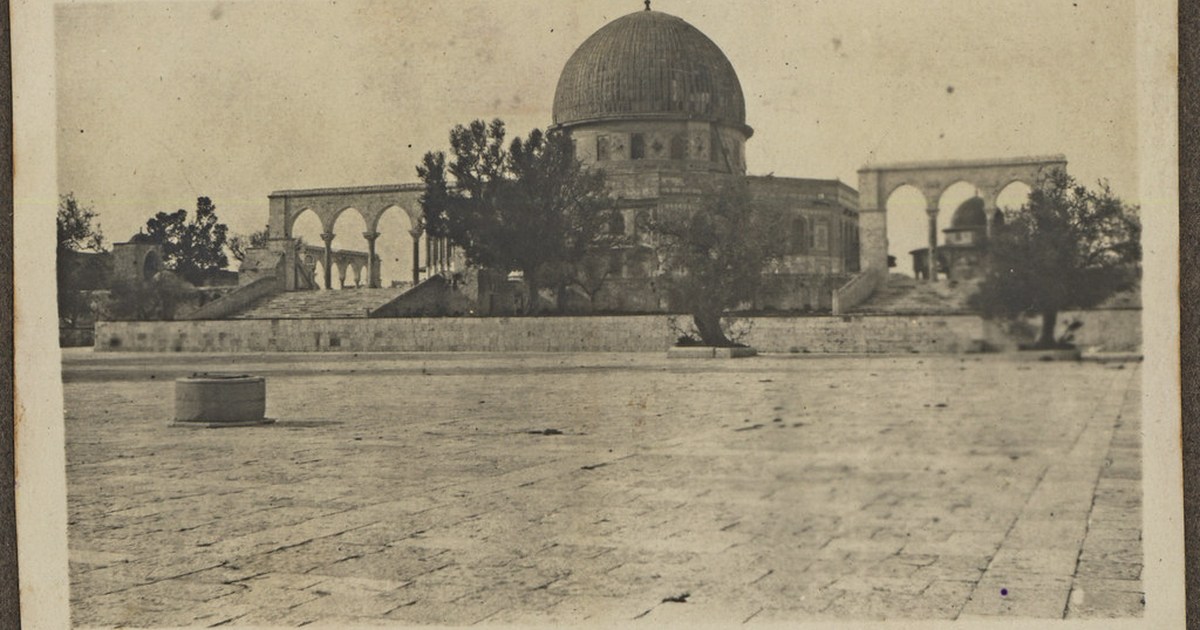
Parents, siblings and friends can pray for someone too, and that does not require the person to be present. If you would like a du'a said by name at Al-Aqsa Mosque in Jerusalem for a righteous marriage, Al-Aqsa Blessings offers a personal du'a with a video sent to your email, usually within 48 to 72 hours. It adds to what is above. It does not replace it and promises no marriage by a certain date, because ease is with Allah alone.
Sources
Quran: Al-Qasas 28:24 (context 28:25-27); Al-Furqan 25:74; An-Nur 24:32-33; Ar-Rum 30:21.
Sahih al-Bukhari: 141, 1162, 5090, 6340, 6382.
Sahih Muslim: 1400, 1434, 1466, 2735.
Sunan Abi Dawud: 2130 (sahih, al-Albani), 2160 (hasan, al-Albani).
Jami' al-Tirmidhi: 1091 (hasan sahih, al-Tirmidhi; sahih, al-Albani), 1655 (hasan, al-Tirmidhi and al-Albani).
Sunan al-Nasa'i: 3218 (hasan, al-Albani).
Each hadith can be checked by number on sunnah.com and at Dorar al-Saniyyah. Sources reviewed 23 October 2026.
Frequently asked questions
Is there an authentic du'a to get married sooner?
We know of no authentic hadith with a du'a specifically for hastening marriage. What is established is Musa's du'a for need in general (Quran 28:24), Istikhara (Bukhari 6382), and the promise of help for the one who wants chastity (Tirmidhi 1655, hasan according to al-Albani).
Are there verses to recite a set number of times to ease marriage?
We found no authentic evidence for that. Reciting the Quran and making du'a with its meanings are both prescribed, but linking an answer to a number of recitations has no basis in what we reviewed.
How do I pray Istikhara about choosing a spouse?
Pray two rak'ahs other than the obligatory prayer, then say the du'a of Istikhara and name your need (Bukhari 6382). It comes after asking about the person and consulting others. No dream is required, and the du'a itself asks "make me content with it."
What do I say to a newly married couple?
«بَارَكَ اللَّهُ لَكَ وَبَارَكَ عَلَيْكَ وَجَمَعَ بَيْنَكُمَا فِي خَيْرٍ» (Abu Dawud 2130, Tirmidhi 1091, graded sahih by al-Albani).
Is "Allahumma inni as'aluka khayraha" for everyone?
No. It is the husband's du'a about his wife (Abu Dawud 2160, hasan according to al-Albani). For the family in general there is Quran 25:74, and between spouses the du'a of Bukhari 141 in the plural form.
Want a personal du'a for a righteous marriage said at Al-Aqsa Mosque?
The du'a is made by name at Al-Aqsa Mosque, and the video usually arrives by email within 48-72 hours.
Request a du'a